Alright, so everyone has been talking about this whole “Punch Drunk” thing in BG3, right? Big numbers, one-shot potential, pure meme material, they say. I saw all the videos popping up, all the shiny graphics, and honestly, I was cynical as hell. I figured it had to be a total load of crap or required twenty turns of setup for one decent hit.
I needed to know if it was just YouTube hype or if the Tav really turned into Jackie Chan after chugging a potion. My brain has been fried lately, dealing with this absolutely garbage legacy system migration at the office—a total patchwork job from a decade ago that nobody wanted to touch. It’s the kind of work that makes you forget how to speak English. I needed a distraction, something loud and simple that involved hitting things really hard and watching damage numbers explode.
The Setup: Why I Even Bothered
You know how it is. You get home, you feel like a zombie, and you just want to turn your brain off. I pulled up my latest save file, a good two hundred hours in, and decided, screw it, let’s waste some gold and respec. The only reason I had the free time, actually, was because my stupid air conditioner decided to die in the middle of a heatwave, so I had to spend an entire Saturday waiting for the repair guy, and you better believe I wasn’t just sitting there staring at the ceiling. I hauled my laptop into the only room with a fan and started planning the damage.
I committed to the pure, unadulterated strength Monk, leaning into the Way of the Open Hand. Why Open Hand? Because I wanted the control and the bonus hits that send people flying, not that Drunken Master mess. My whole goal was to prove the system broke when you slapped two key things together without having to rely on some complicated, two-level multiclass deep dive. I wanted punch-punch-kaboom.
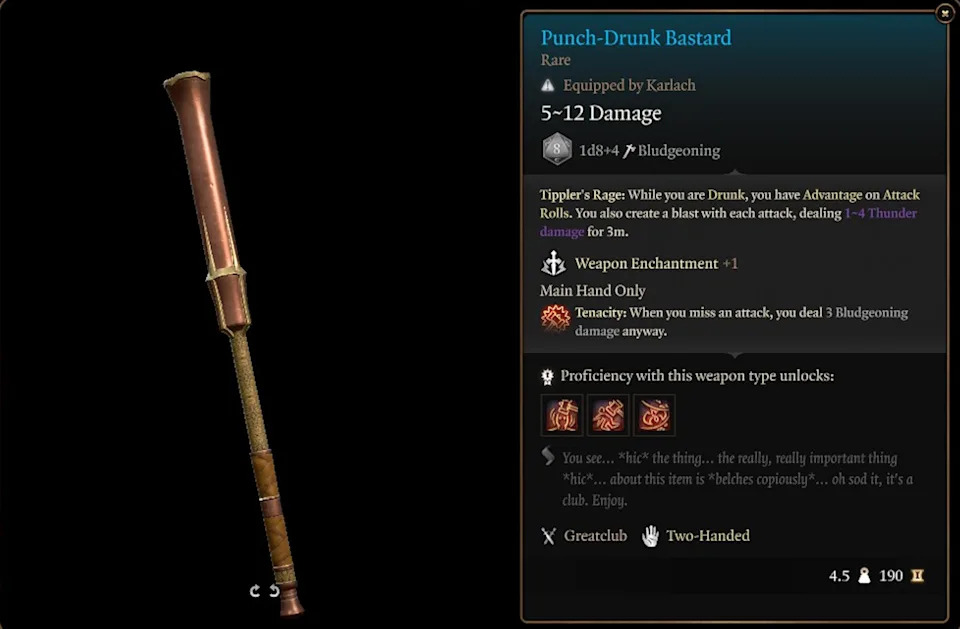
First up, the obvious centerpiece, the core of the whole mess:
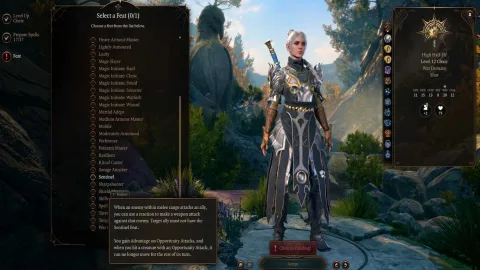
- Tavern Brawler. That simple, beautiful feat that just says, “Your Strength modifier is now added twice to unarmed attack rolls and damage.” Twice! It’s ridiculous and clearly needs to be patched out, but until then, we abuse it.
- We needed to max the Strength stat, obviously. I dumped constitution way lower than I usually would, pumping Strength up to 20 right away using the various permanent buffs and maybe a potion or two of permanent Cloud Giant Strength if I had them lying around.
- For the gear, it was all about stacking unarmed bonuses. The Gloves of Cinder and Sizzle were the core for extra fire damage, and the Boots of Uninhibited Kushigo for the Wisdom modifier added to damage. You grab any robes or headwear that adds to saving throws or AC to make up for the stats I dumped.
This whole process felt like building a weird, unstable LEGO machine—you just keep stacking pieces until the whole thing threatens to fall over, but the second it works, it’s glorious. I spent a solid hour just running around the camp picking fights with my companions just to check the numbers, which, I know, is a total waste of time, but I had to be absolutely sure the double modifier was landing on every single hit.
The Test Run: Hitting Things for Real
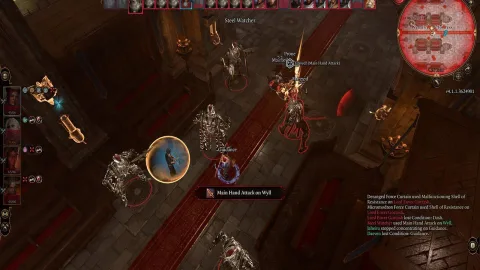
I dragged my poor, gear-swapped Monk to the most annoying enemy I could think of: a big, beefy crowd of enemies in the Undercity. You know, the ones who always seem to save vs. your best spells and have way too much health? Perfect test dummies.
The sequence of events was clumsy at first, I gotta admit. I kept forgetting the “Speed” part. See, the Punch Drunk part of the build isn’t just the huge damage on each hit; it’s about generating an absolute flood of attacks so that the multiplied damage modifier hits six, seven, eight times in one turn. I started just running up and punching, and the damage was… fine. Decent, but not the headline-grabber I wanted.
I took a quick bio-break after wiping the party once (embarrassing, I know, but I was rusty and the fan in the corner was distracting me). I realized I was approaching it too cleanly. This build isn’t clean; it’s brute force, pure chaos.
When I came back, I changed the game plan—no more holding back, use the juice:
- Step 1: Get the Action Economy rolling. Chug that Potion of Speed. Gotta get those extra actions.
- Step 2: Make sure the Strength is maxed. A Potion of Hill Giant Strength if I was low, or whatever big potion I could afford. I was not going to let a single point of damage slip away.
- Step 3: Flurry of Blows, repeatedly. This is where the magic happens. The first Main Hand attack hits, then the Bonus Action hits, then Flurry of Blows triggers two more attacks, all applying that doubled Strength modifier. With the Potion of Speed giving me a whole new Action, I could do that whole sequence practically twice.
I watched the damage numbers fly. It was a kaleidoscope of yellow and white text. My first proper turn, against a fully armored foe, I managed a minimum of six to eight attacks, plus reaction attacks if they were there. The average roll was spiking up into the 50-70 damage range per hit, not even counting the crits. One big dude just melted. From full health to ash, in one turn. It was truly disgusting.
The Verdict: Was it Worth the Hassle?
It was insane. The damage is that good. I’m talking about a character who, with the right consumables, could probably take down the final boss’s multiple forms faster than a well-geared Sorcerer could set up a decent chain lightning spell.
But here’s the kicker, the part they don’t tell you in the guides:
This build is completely dependent on a few specific pieces of gear and, more importantly, consumables. It’s a high-maintenance relationship. If you run out of your Giant Strength potions, or you’re too lazy to drink a Potion of Speed every single combat, it drops off a cliff. It turns from a god-tier damage dealer into a slightly better than average Monk. It’s like owning a sports car that only runs on premium, imported fuel.
It reminds me of my first job out of school, actually. We had this fantastic piece of machinery, did the job of ten men, but the spare parts had to be imported from Switzerland and cost a fortune. As long as the Swiss parts were in stock, we were a powerhouse. The moment we ran out, the whole production line sputtered to a halt. The company looked like a well-oiled machine from the outside, but underneath, it was just praying the next shipment arrived on time.
My BG3 Monk is the same. It’s only good if you’re willing to micro-manage the consumable inventory like a stock market trader. Did I have fun? Absolutely. Did I spend way too many hours farming for the ingredients to make more potions? You bet I did. But at least I got to turn my brain off for a few hours and deal with the frustration of the office by virtually punching my way through an old computer game. That’s a win in my book.